
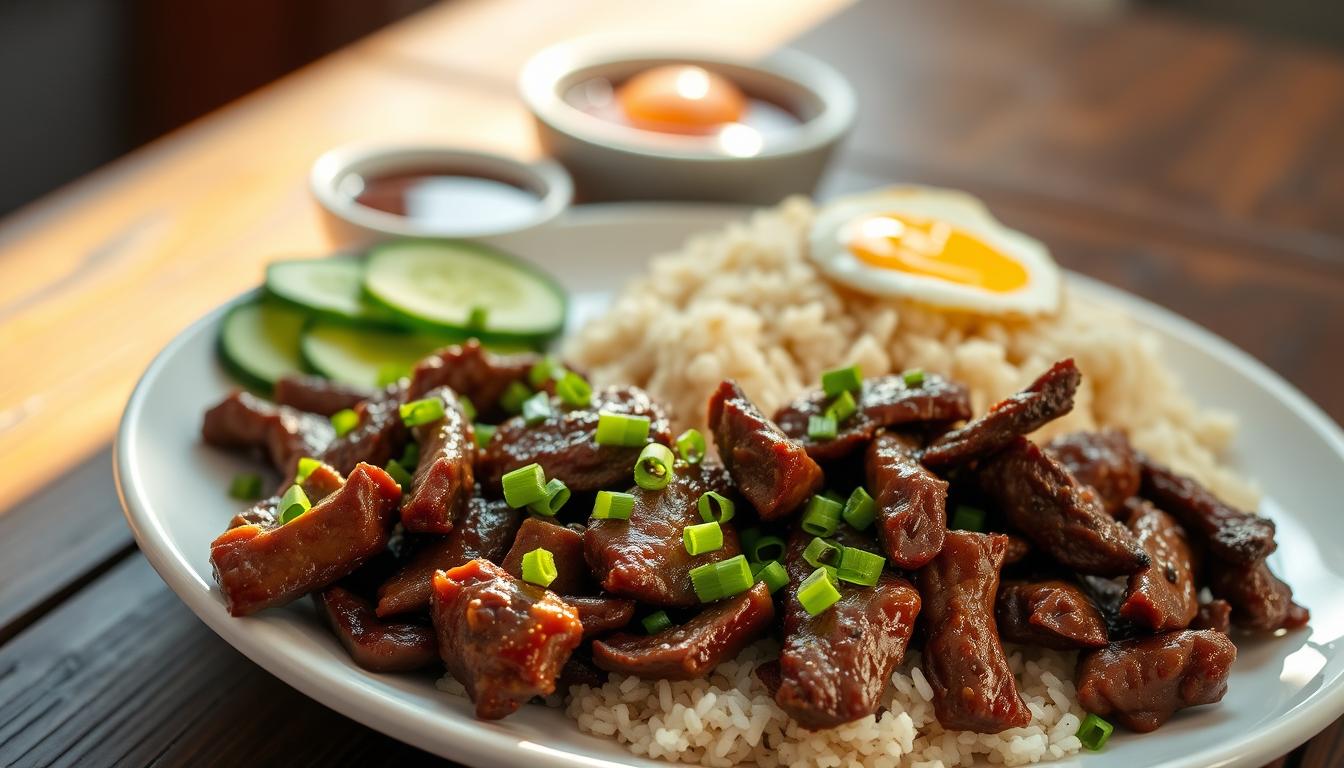
Authentic Filipino beef tapa recipe
Growing up in a Filipino kitchen, the sizzling sound of beef tapa hitting the pan was my morning wake-up call. That rich, aromatic smell would drift through our home, promising a breakfast that was more than just a meal—it was a connection to my heritage. Your journey into the world of authentic Filipino beef tapa recipe starts here, where tradition meets culinary passion.
This isn’t just another recipe. The authentic Filipino tapa represents a culinary art form passed down through generations. From its roots as a preservation technique to today’s beloved breakfast staple, tapa tells a story of survival, creativity, and cultural resilience. You’re about to discover how a simple piece of marinated beef can transform your morning meal into an extraordinary experience.
Whether you’re a cooking enthusiast or someone yearning to explore Filipino cuisine, this guide will walk you through creating the most authentic Filipino tapa right in your own kitchen. Get ready to unlock flavors that have been cherished for decades.
What Makes Filipino Beef Tapa Special
Discover the unique culinary treasure of traditional filipino cuisine that sets cured beef tapa apart. This beloved dish is more than just a meal. It’s a rich cultural experience with bold flavors.
Filipino beef tapa emerged as a practical solution for meat preservation in tropical climates. Families developed innovative methods to keep protein fresh without modern refrigeration. They transformed simple ingredients into a delicious survival strategy.
The Traditional Curing Process
The authentic curing process for beef tapa involves several key steps:
- Selecting high-quality beef cuts
- Coating meat with sea salt
- Sun-drying to remove moisture
- Creating a shelf-stable protein source
Unlike modern commercial preparations, traditional methods focused on long-term preservation. They maintained maximum flavor intensity.
Sweet and Spicy Flavor Profile
Filipino beef tapa stands out with its distinctive taste combination. The flavor profile balances multiple taste elements:
| Flavor Component | Taste Contribution |
|---|---|
| Soy Sauce | Umami depth |
| Brown Sugar | Subtle sweetness |
| Vinegar | Tangy brightness |
| Garlic | Aromatic pungency |
| Chili | Spicy kick |
This complex flavor combination transforms cured beef tapa into a beloved culinary art form. It continues to captivate food enthusiasts worldwide.
Essential Ingredients for Authentic Beef Tapa
Starting your homemade tapa recipe means picking the right ingredients. Your beef tapa marinade turns regular meat into a tasty Filipino classic. Let’s explore the key ingredients that make this dish stand out.
The base of authentic beef tapa is top-notch beef. Choose a cut that’s tender and can be sliced thinly. Sirloin or round cuts are usually the best for your tapa recipe.
- Beef: 1.1-1.5 lbs of thinly sliced meat
- Garlic: 10 cloves minced (or 3 tablespoons minced garlic)
- Vinegar: 5-6 tablespoons (white or regular)
- Soy Sauce: 5-6 tablespoons
- Sugar: 2-6 tablespoons (brown or white)
- Chilies: 5 chopped red chilies (siling labuyo)
- Seasonings: Salt and black pepper
Your beef tapa marinade needs a mix of flavors. Soy sauce adds depth and saltiness. Vinegar tenderizes the meat and adds a tangy taste. Brown sugar adds a sweet touch that caramelizes nicely when cooked.
Pro tip: Fresh garlic is key for that true Filipino taste. If you can’t find siling labuyo chilies, use cayenne or red pepper flakes for the heat.
Choosing the Right Cut of Beef for Your Tapa
Choosing the right cut of beef is key to making delicious marinated beef tapa. The meat you pick can greatly affect the taste and texture of your dish. Knowing which cuts are best will help you make a true Filipino breakfast favorite.
For marinated beef tapa, pick premium beef cuts for the best taste and tenderness. Each cut adds its own special touch to your dish.
Best Beef Cuts for Tapa
- Ribeye: Offers excellent marbling for juicy, tender results
- Sirloin: Traditional choice with robust flavor and moderate pricing
- Chuck: Budget-friendly option that becomes tender through marination
- Brisket: Flavorful cut that responds well to tenderizing marinades
- Pre-sliced hot pot beef: Convenient option found in Asian grocery stores
How to Slice Beef Properly
Getting the perfect slice is key for authentic marinated beef tapa. Here are some expert tips for slicing your meat:
- Partially freeze beef for easier cutting
- Use a sharp knife with a long, thin blade
- Slice against the grain for maximum tenderness
- Aim for consistent thickness between 1/8 to 1/4 inch
Pro tip: Keep your slices uniform for even marinating and cooking. Thin, consistent slices soak up flavors better and cook quickly with a perfect caramelized exterior.
Filipino Beef Tapa Recipe
Ready to make the ultimate Filipino beef tapa? This dish brings the rich flavors of Filipino cuisine to your kitchen. It’s easy to make with simple ingredients and a straightforward process. You’ll create a meal that truly captures the essence of Filipino cooking.
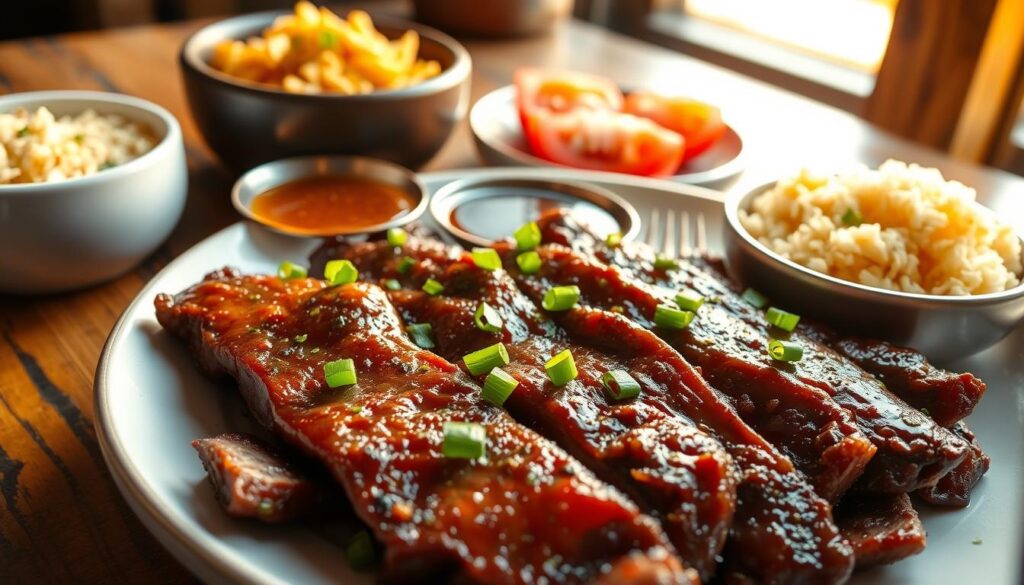
Let’s go through the recipe step by step. This way, you can make delicious beef tapa at home.
Ingredients You’ll Need
- 1.1 lbs thinly sliced beef
- 10 garlic cloves, minced
- 6 tbsp white vinegar
- 6 tbsp soy sauce
- 6 tbsp brown sugar
- 5 red chilies, chopped
- Oil for frying
Preparation Steps
- Mix vinegar, soy sauce, brown sugar, minced garlic, and chopped chilies in a bowl
- Add beef slices, ensuring complete marinade coverage
- Cover with plastic wrap and refrigerate for 4-24 hours
- Heat oil in a pan over medium heat
- Cook marinated beef until brown and caramelized
Nutritional Breakdown
| Nutrient | Amount per Serving |
|---|---|
| Calories | 293 kcal |
| Carbohydrates | 18g |
| Protein | 17g |
| Fat | 17g |
Your Filipino beef tapa recipe is ready! Serve it hot and enjoy the sweet, savory, and spicy flavors. This dish is a classic Filipino breakfast favorite.
The Perfect Beef Tapa Marinade
Creating authentic Filipino tapa starts with the right marinade. It’s all about balancing flavors to turn ordinary beef into a masterpiece. Your marinade is the key to a dish that truly captures Filipino cuisine’s essence.
The perfect marinade combines several key ingredients. These work together to create a complex flavor profile. You need to balance sweet, savory, and tangy elements.
Balancing Sweet and Savory Flavors
Making the perfect marinade requires precise proportions. Here’s a breakdown of the essential ingredients:
- Soy sauce (6 tablespoons)
- Vinegar (6 tablespoons)
- Brown sugar (6 tablespoons)
- Minced garlic (4-5 cloves)
- Red chilies (optional)
The secret to a great marinade is equal parts soy sauce, vinegar, and brown sugar. Brown sugar adds depth, while vinegar cuts through the beef’s richness.
Adjusting the Spice Level
Customizing the marinade’s heat is easy. Add more red chilies for spice or reduce them for a milder taste. It’s all about making it your way.
Pro tip: Mix all ingredients well before adding the beef. This ensures flavors are evenly distributed. Let the meat marinate for 2-4 hours or overnight for deeper flavor.
Marinating Your Beef Tapa for Maximum Flavor
Creating the perfect marinated beef tapa starts with a careful marinating process. This turns regular beef into a true culinary delight. Your homemade tapa recipe relies on mastering the art of marination. It adds deep, complex flavors to every bite.
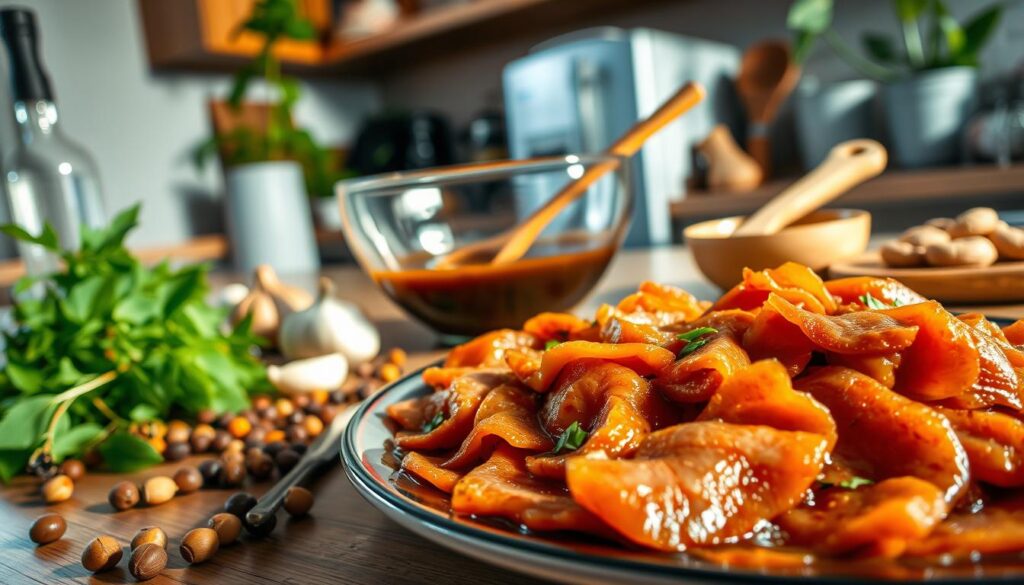
The time you marinate your beef is key for rich flavors. Here are the main guidelines for marinating:
- Minimum marinating time: 4 hours
- Recommended marinating duration: 8-12 hours (overnight)
- Maximum marinating limit: 24 hours
Make sure your beef is fully submerged in the marinade. Use a sealed container or cover tightly with plastic wrap. This keeps the flavors in and prevents oxidation.
| Marinating Parameter | Recommended Approach |
|---|---|
| Storage Location | Refrigerator |
| Container Type | Sealed container or covered with plastic wrap |
| Meat Positioning | Fully submerged in marinade |
Pro tip for your homemade tapa recipe: Take the beef out of the fridge 15-20 minutes before cooking. This helps it cook evenly and absorb more flavor from the marinade.
Remember, patience is key. Rushing the marination can ruin the flavor that makes Filipino beef tapa so special.
How to Cook Beef Tapa the Traditional Way
Cooking authentic Filipino tapa needs precision and care. The traditional method turns marinated beef into a delicious dish. It captures the true taste of traditional Filipino cuisine.
Frying Tips for Caramelized Perfection
Getting the perfect caramelization is key for authentic Filipino tapa. Here are some tips to make your beef tapa taste great:
- Use a medium-heat setting to prevent burning
- Select a heavy-bottomed pan for even heat distribution
- Cook beef in a single layer to ensure proper browning
The cooking process requires careful heat management. Start by heating oil in a pan, then add your marinated beef. Watch for the perfect golden-brown color that signals caramelized perfection.
Avoiding Common Cooking Mistakes
Prevent tough, dry meat by avoiding these common mistakes:
- Don’t overcrowd the pan – this causes steaming instead of frying
- Avoid cooking on high heat, which burns the exterior
- Remove meat from heat while it’s slightly moist
Pro tip for traditional Filipino cuisine enthusiasts: If you’re cooking multiple batches, keep the first batch warm in a low-temperature oven while preparing the rest.
| Cooking Stage | Temperature | Cooking Time |
|---|---|---|
| Initial Heating | Medium | 2-3 minutes |
| Frying | Medium-Low | 3-4 minutes per side |
| Resting | Low | 1-2 minutes |
By following these techniques, you’ll make a beef tapa that’s crispy outside, tender inside, and full of traditional Filipino flavors.
Creating the Ultimate Tapsilog Breakfast
Your tapsilog recipe is the heart of a traditional Filipino breakfast. It promises to tantalize your taste buds. This iconic dish combines tender beef tapa, garlic fried rice, and a perfectly cooked egg. Mastering the tapsilog recipe turns an ordinary morning into a culinary celebration of Filipino cuisine.
To create an authentic Filipino breakfast experience, follow these key preparation steps:
- Start by cooking sinangag (garlic fried rice) as your base
- Fry your marinated beef tapa until caramelized
- Cook a sunny-side-up egg with a runny yolk
- Prepare traditional accompaniments
The magic of tapsilog lies in its harmonious flavors. Your fried rice should be fragrant with garlic. The beef tapa should be crispy yet tender. The egg adds a rich, creamy element. Serve with classic sides like pickled vegetables (achara) and a small bowl of spiced vinegar for dipping.
Pair your tapsilog with a cold glass of calamansi juice or traditional Filipino coffee. This completes the breakfast experience. Each bite is a delicious journey through Philippine culinary traditions.
Serving Suggestions and Side Dishes
Enhancing your tapsilog recipe is more than just cooking the beef tapa. The right sides turn a good Filipino breakfast into a memorable meal. Learn how to make a dish that will wow your taste buds.
Garlic Fried Rice: The Perfect Companion
Sinangag (garlic fried rice) is key to a true Filipino breakfast. Here’s how to make the best rice:
- Use day-old rice for the best texture
- Mince fresh garlic finely
- Fry garlic until golden and fragrant
- Toss rice with crispy garlic bits
- Season with salt to taste
Traditional Filipino Accompaniments
Complete your tapsilog with these classic sides. They balance and boost the beef tapa’s flavors:
| Accompaniment | Flavor Profile | Purpose |
|---|---|---|
| Achara | Sweet and Tangy | Cuts through meat richness |
| Spiced Vinegar | Sharp and Acidic | Provides flavor contrast |
| Sliced Tomatoes | Fresh and Light | Adds nutritional balance |
Your Filipino breakfast becomes a feast for the senses with the right sides. The mix of crispy beef tapa, aromatic garlic rice, and vibrant sides honors traditional Filipino cooking.
Storing and Preserving Homemade Tapa
Keeping your homemade tapa fresh is key. Unlike old methods, today’s tapa needs to be refrigerated. This helps keep its taste and texture great.
Here are important tips for storing your tapa:
- Refrigerate marinated raw tapa in an airtight container
- Limit marination time to 24 hours maximum
- Store raw marinated beef at the bottom of the refrigerator
For safety, never let your tapa sit out too long. If you’re planning ahead, keep the marinade and beef apart in the fridge for up to two days before mixing them.
Here’s how to store cooked tapa:
- Cool completely before storing
- Use an airtight container
- Refrigerate for 3-4 days
- Reheat gently in a pan with minimal oil
Freezing is a great way to keep tapa longer. Raw tapa can be frozen for up to three months. Cooked tapa stays good for two months. Always thaw in the fridge overnight before cooking to keep the meat’s texture and flavor.
Conclusion
Making authentic Filipino tapa is more than cooking a meal. It’s about connecting with our culinary heritage. You’ve learned how to make delicious beef tapa, just like Tapa King.
Creating authentic Filipino tapa needs patience, quality ingredients, and a love for cultural flavors. Now, you can turn simple beef into a tasty dish that shows off Filipino breakfast traditions. This recipe is a great way to dive into Filipino cooking, whether for family or new culinary adventures.
Cooking is all about trying new things and adding your own touch. Feel free to change the spice levels or how you serve it to match your taste. Every time you make this dish, you’ll get better at making it just right.
Keep exploring the wide world of Filipino cuisine as you continue cooking. Your journey with authentic Filipino tapa is just the start of a flavorful adventure that connects you to our rich cultural tradition.
FAQ
What is the difference between traditional tapa and modern beef tapa?
How long should I marinate beef tapa?
Can I use a different type of beef if I can’t find the recommended cuts?
How spicy is traditional Filipino beef tapa?
How do I store leftover beef tapa?
What is tapsilog?
Can I make beef tapa without specific Filipino ingredients?
Is beef tapa only a breakfast dish?
There are no reviews yet. Be the first one to write one.