
Tender Slow Cooker Cow Tongue Recipe
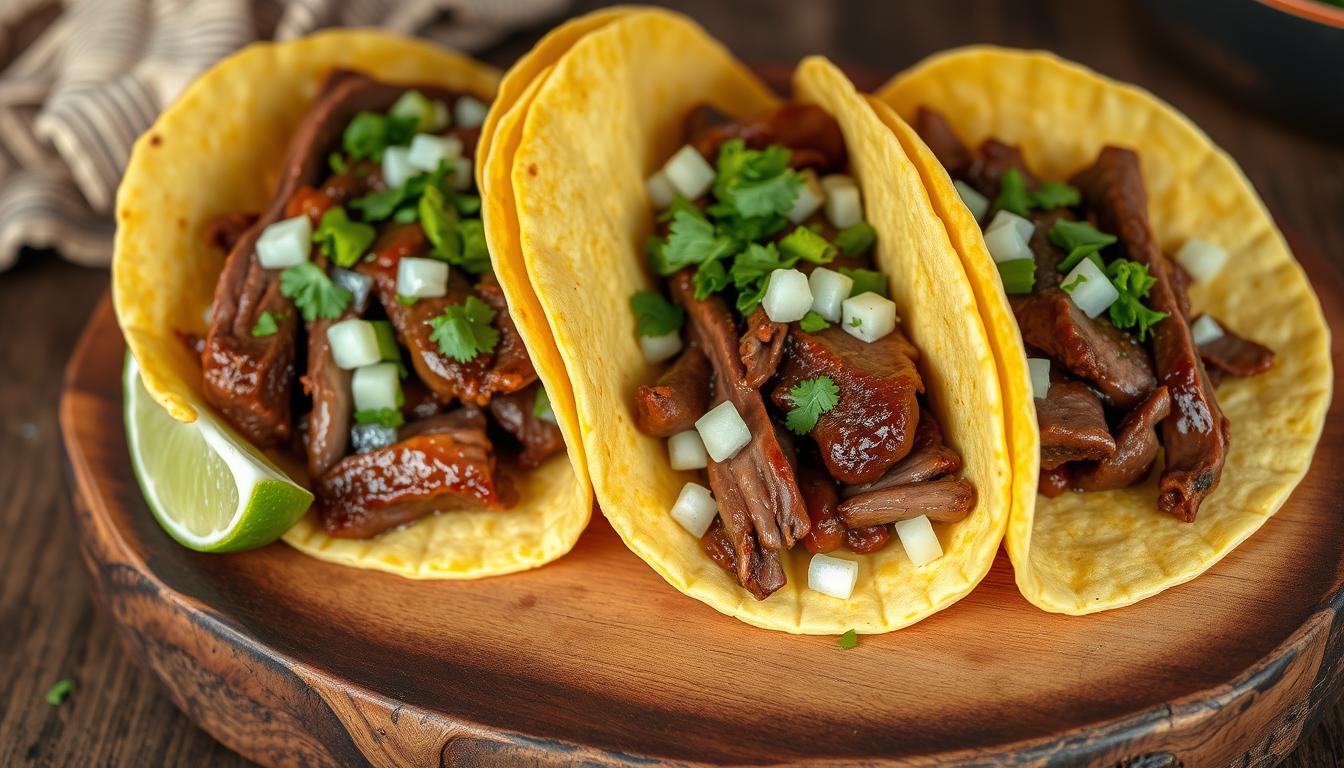
Growing up, I was always fascinated by traditional cooking. Beef tongue was a mystery to me. But, I soon learned that making tender beef tongue tacos is easier than it looks.
This slow cooker recipe will change your view on beef tongue. It’s perfect for anyone curious about cooking or exploring new dishes. You’ll get to enjoy soft, flavorful meat that’s both healthy and simple to make.
Table of Contents
Why Beef Tongue Deserves a Place in Your Kitchen
Beef tongue is a culinary treasure that makes cooking special. It’s full of flavor and good for you. This unique cut lets home cooks dive into authentic Mexican cuisine with delicious lengua tacos.
The Hidden Gem of Nose-to-Tail Cooking
Nose-to-tail cooking uses the whole animal, cutting down on waste. It makes amazing meals. In Mexico, beef tongue is a beloved dish, not just an afterthought.
- Reduces food waste
- Honors traditional cooking methods
- Explores unique culinary traditions
Nutritional Benefits of Organ Meats
Beef tongue is packed with nutrients, making it a great protein choice. It’s rich in important vitamins and minerals. This makes it a healthy option for those who love to try new foods.
- High-quality protein source
- Excellent iron and zinc content
- Abundant vitamin B12
- Supports muscle development
Adding beef tongue to your cooking opens up a world of flavor, nutrition, and creativity. It’s perfect for making traditional lengua tacos or trying out new recipes. This versatile ingredient will take your meals to the next level.
Understanding Beef Tongue: What You Need to Know
Beef tongue might look scary at first, but it’s actually a tasty meat that gets better with slow-cooking. It has a soft texture and deep flavor that can make your cooking stand out.
When picking a slow-cooked cow tongue, remember these important points:
- Look for a tongue weighing between 2-3 pounds
- Choose a tongue with a smooth, unblemished surface
- Check for fresh, pink coloration
- Seek out grass-fed options for enhanced flavor
Finding beef tongue is simpler than you think. Your local butcher, specialty stores, and ethnic markets usually have it. Mexican and Asian markets often carry it, making it easy for bold home cooks to find.
| Characteristic | Description |
|---|---|
| Flavor Profile | Meaty, mild, without strong organ meat taste |
| Texture When Cooked | Tender, almost buttery |
| Cooking Method | Best prepared through slow-cooking |
The secret to slow-cooked cow tongue is in how it’s prepared. Long cooking times break down tough parts, making the meat incredibly soft. Don’t let its unusual appearance scare you off from trying it!
Essential Ingredients for Slow Cooker Beef Tongue
To make tender beef tongue tacos, you need the right ingredients. Your slow cooker can turn this special meat into a tasty meal. It will surprise and delight your taste buds.
For tender beef tongue tacos, pick ingredients that boost the meat’s flavor and texture.
Choosing the Right Beef Tongue
When picking beef tongue, remember these tips:
- Choose fresh, grass-fed beef tongue, 2-3 pounds.
- Look for a clean, bright color without discoloration.
- Make sure the meat feels firm and has little excess fat.
- Go for grass-finished beef for better flavor.
Aromatics and Seasonings That Enhance Flavor
The secret to great tender beef tongue tacos is in your ingredients. Here’s what you’ll need:
| Ingredient | Quantity | Purpose |
|---|---|---|
| Beef tongue | 2-3 pounds | Main protein |
| Chicken or beef broth | 8 cups | Cooking liquid |
| Onion | 1/2, sliced | Aromatic base |
| Garlic | 3 cloves | Flavor enhancement |
| Sea salt | 1/2 teaspoon | Seasoning |
| Ground pepper | 1/4 teaspoon | Seasoning |
Optional ingredients like bay leaves and whole peppercorns can add depth. The broth brings rich flavor. Aromatics like onion and garlic make a delicious base for your slow-cooked meat.
How to Prepare Beef Tongue Before Cooking
Preparing beef tongue for your taco de lengua recipe is important. You need to handle the meat safely and make sure it’s ready for the slow cooker.
Begin by rinsing the beef tongue under cold water. This step removes any dirt and gets the meat ready for cooking. Then, dry the tongue with paper towels to remove extra moisture.
- Inspect the beef tongue for any visible fat or tough membrane
- Rinse carefully under cold water
- Pat completely dry with paper towels
- Check for any remaining debris
To make your taco de lengua recipe flavorful, prepare a tasty cooking liquid. Choose a mix of broth and spices that will add rich flavors to the meat. You can use:
- Beef broth
- Whole garlic cloves
- White onion
- Bay leaves
- Salt and pepper
When placing the beef tongue in your slow cooker, make sure it’s mostly covered in liquid. This keeps the meat moist and tender. You want it to be so tender it just melts in your mouth, just like in authentic taco de lengua.
When working with raw organ meats, food safety is key. Clean your area well with hot, soapy water. Use different cutting boards for raw meats. And wash your hands often to avoid cross-contamination.
Step-by-Step Slow Cooker Instructions
Making soft tacos with tongue needs care and patience. The slow cooker turns beef tongue into a tender, tasty protein. This will make your tacos stand out. Follow these expert steps to make a dish that’s both tasty and impressive.
First, get your tools and ingredients ready. A 5-6 quart slow cooker is best for most beef tongue cuts.
Setting Up Your Slow Cooker for Success
Preparing beef tongue for soft tacos involves a few key steps:
- Select a clean, well-trimmed beef tongue
- Rinse the tongue thoroughly under cold water
- Place aromatics at the bottom of the slow cooker
- Position the tongue carefully in the cooking vessel
Cooking Times and Temperature Guidelines
To get the perfect texture for your tacos, follow these cooking tips:
| Cooking Method | Temperature | Cooking Time | Desired Internal Temp |
|---|---|---|---|
| Slow Cooker | Low Heat | 6-8 hours | 185-195°F |
| Dutch Oven | Simmer | 2.5-3 hours | 185-195°F |
Pro tip: Use a meat thermometer to check the internal temperature in multiple spots. This ensures even cooking and optimal tenderness for your beef tongue tacos.
The Art of Peeling and Slicing Beef Tongue
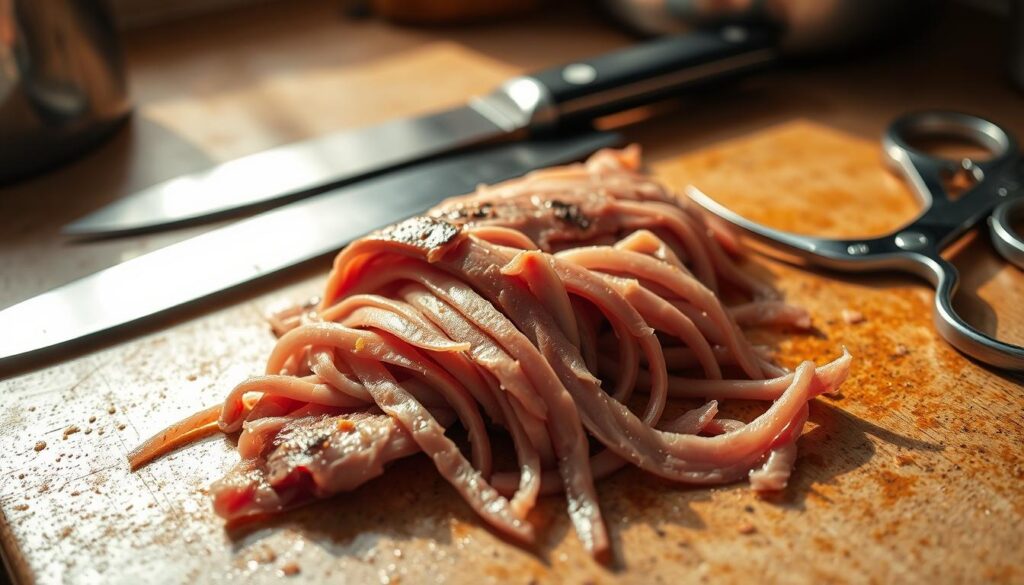
After slow cooking your beef tongue, it’s time to peel and slice it for lengua tacos. This step might seem hard, but with practice, you’ll get it right.
Peeling the tongue needs to be done right. Here’s how:
- Remove the tongue from the slow cooker while it’s warm
- Let it cool for a few minutes until you can handle it safely
- Use tongs to grip the outer skin
- Gently pull the skin away from the meat
The skin should come off easily when the tongue is warm. Pro tip: If you wait too long, peeling gets harder. Work fast but carefully for the best results.
Slicing the tongue is also key. Always slice against the grain for thin, tender pieces. Aim for slices about 1/4 inch thick. They should be delicate but substantial enough for tacos.
With practice, you’ll become great at slicing the tongue. Your slices will be perfect for lengua tacos.
Making Delicious Cow Tongue Tacos
Turning slow-cooked beef tongue into tasty street-style cow tongue tacos is an art. It takes the dish to new heights. The secret is in how you prepare and finish it.
Traditional Taco de Lengua Preparation
To make perfect street-style cow tongue tacos, start by shredding the beef tongue. Then, add these pieces to a hot skillet with butter. This step makes the meat crispy, adding great texture and flavor.
- Shred the cooked beef tongue into small pieces
- Heat a skillet to medium-high heat
- Add a small amount of butter
- Sear the meat for 3-5 minutes until edges are golden
Authentic Toppings and Garnishes
The real charm of street-style cow tongue tacos is in their toppings. Warm corn tortillas are the ideal base for the crispy lengua meat. Top with these classic garnishes:
- Finely chopped white onions
- Fresh cilantro
- Squeeze of lime juice
- Your favorite salsa (verde or roja)
For more flavor, try adding optional toppings. Sliced radishes, creamy avocado, crumbled queso fresco, or pickled jalapeños are great. They make your tacos go from good to amazing.
Alternative Serving Suggestions Beyond Tacos
Beef tongue recipes are more than just tacos. They open up a world of flavors and textures. You can turn this tender meat into dishes that will amaze your taste buds.
Make a lengua sandwich that will be a hit with your family. Here are some tasty ideas:
- Classic Deli-Style Sandwich: Slice beef tongue thinly and layer on rye bread with grainy mustard and crisp pickles
- BBQ-Style Pulled Tongue Sandwich: Shred the meat and mix with tangy barbecue sauce, topped with creamy coleslaw
- European-Inspired Open Faced Sandwich: Serve on toasted sourdough with horseradish cream
Beef tongue is great in many dishes. Try it as a main course with roasted veggies, in hearty soups, or in Asian stir-fries. Its rich flavor fits many cooking styles.
For breakfast, use diced beef tongue in hash, scrambled eggs, or burritos. For appetizers, top crostini with tongue and chimichurri sauce or make unique quesadillas.
Exploring beef tongue recipes lets you get creative in the kitchen. You can turn this often-overlooked cut into amazing meals. Impress your family and friends with your culinary skills.
Pro Tips for Perfect Tender Beef Tongue Every Time
Learning to cook beef tongue is a skill worth mastering. It might seem daunting, but with the right methods, you can make a tender dish that wows everyone.
- Cook the tongue extremely slowly to break down tough connective tissues
- Always use a flavorful broth instead of plain water
- Peel the skin while the meat is warm
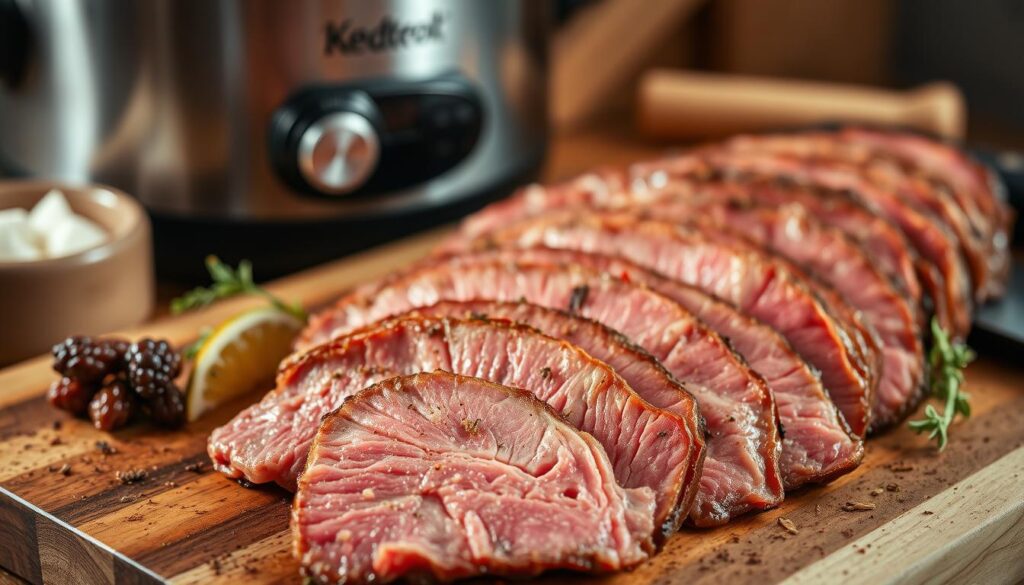
- Slice against the grain for maximum tenderness
Avoiding Common Cooking Mistakes
When cooking beef tongue, many home cooks make mistakes that can spoil the dish. Here are the main errors to steer clear of:
- Rushing the cooking process with high heat
- Letting the tongue cool completely before peeling
- Cutting the meat with the grain
- Underseasoning the cooking liquid
Patience is key to tender beef tongue. Cook it to an internal temperature of 185-195°F. It should feel tender when pierced with a fork. Your slow cooker is a great tool for this, making the meat tender with little effort.
Pro tip: If the skin is hard to remove, warm the tongue in liquid for a few minutes. This makes peeling easier. Remember, the more you practice, the better you’ll get at cooking beef tongue!
Storing and Reheating Leftover Beef Tongue
Learning how to store leftover beef tongue can change your meal prep game. It lets you enjoy tasty dishes all week long. The right storage keeps your meat tender and flavorful for more meals.
Your leftover beef tongue is great for quick, easy meals. Here are some tips for storing and reheating:
- Cool the beef tongue to room temperature within two hours of cooking
- Store in an airtight container in the refrigerator
- Consume within 3 days for optimal taste and texture
Reheating leftover beef tongue needs gentle care to keep it tender. The skillet method is best for adding moisture and crispy edges:
- Heat a small amount of butter or cooking oil in a skillet
- Add sliced or shredded beef tongue
- Warm over medium heat until heated through
To prep meals for longer, freeze cooked beef tongue for up to three months. Use freezer-safe containers or vacuum-sealed bags to keep it fresh.
| Storage Method | Duration | Best Practice |
|---|---|---|
| Refrigeration | Up to 3 days | Airtight container |
| Freezing | Up to 3 months | Vacuum-sealed packaging |
Pro tip: Slice the beef tongue before storing. It makes meal prep easier and quicker for weeknight dinners.
Why Choose Grass-Fed Beef Tongue
Exploring grass-fed beef tongue can change how you cook and eat. It’s not just about taste; it’s also about health and ethics.
Health Benefits of Grass-Fed Beef
Grass-fed beef tongue has health perks that regular meat doesn’t. It’s packed with nutrients:
- More omega-3 fatty acids for heart and brain health
- Higher levels of conjugated linoleic acid (CLA) for metabolism
- Rich in vitamins B12 and zinc
- More antioxidants than grain-fed beef
Grass-fed beef tongue is full of nutrients that boost your health. It comes from cows raised in natural pastures. This makes it a cleaner, more nutritious protein choice.
Where to Purchase Quality Beef Tongue
Finding top-notch grass-fed beef tongue means knowing where to look. Here are some good places:
- Local butcher shops known for quality meats
- Farmers markets with grass-fed meat sellers
- Online stores that specialize in meat
- Buying directly from farms through beef share programs
When you buy grass-fed beef tongue, ask about the cow’s life, food, and how it was processed. This ensures you get the best quality.
Conclusion
Your slow cooker lengua recipe adventure ends here, but a world of delicious possibilities begins. Beef tongue might have seemed intimidating before. But now, you’ve discovered how simple and rewarding this cooking experience can be.
The tender, flavorful meat you’ll create transforms ordinary meals into extraordinary culinary experiences. This beef tongue recipe offers more than just a meal. It’s an exploration of traditional cooking techniques that connect you with rich cultural food traditions.
Whether you’re crafting authentic tacos or experimenting with different serving styles, you’ve gained the confidence to transform this unique cut of meat into something spectacular. The slow cooker method makes preparation incredibly straightforward. It requires minimal effort for maximum flavor.
Your newfound skills with beef tongue showcase your willingness to step outside traditional cooking boundaries. From nutritional benefits to incredible taste, this recipe proves that adventurous eating can be both delicious and accessible. Remember that each time you prepare this dish, you’ll become more skilled and confident in your culinary techniques.
Embrace the journey of cooking beef tongue, knowing you’ve unlocked a delicious, versatile ingredient that will impress family and friends. Your kitchen is now prepared to create restaurant-quality meals with this incredible slow cooker lengua recipe.
FAQ
Is beef tongue difficult to cook?
How long does it take to cook beef tongue in a slow cooker?
Is beef tongue nutritious?
How do I remove the skin from cooked beef tongue?
What do lengua tacos taste like?
How long can I store cooked beef tongue?
Where can I buy beef tongue?
What are some ways to serve beef tongue beside tacos?
Is beef tongue expensive?
Can I use a Dutch oven instead of a slow cooker?
There are no reviews yet. Be the first one to write one.