
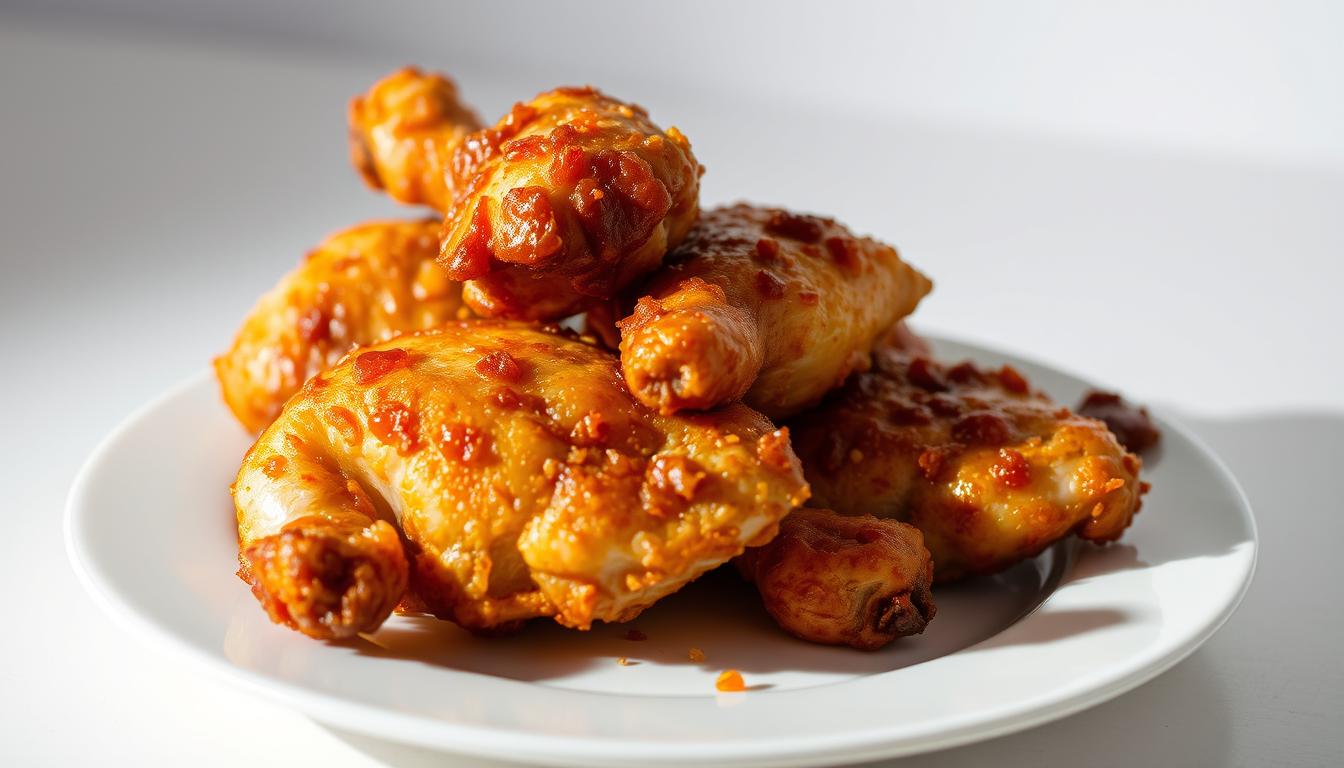
Easy Broasted Chicken Recipe for Crispy Perfection
There’s something magical about that first bite of perfectly crispy chicken. The crunch that gives way to tender, juicy meat inside is amazing. Growing up, I always wondered how restaurants made chicken so crispy.
That’s when I discovered the broasted chicken recipe. It’s a game-changer that turns ordinary chicken into an extraordinary meal. This method combines the best of pressure cooking and frying.
With our easy broasted chicken recipe, you’ll make restaurant-quality chicken at home. You’ll use less oil and get maximum flavor. Whether you’re a home cook or a food enthusiast, this recipe is for you. Get ready to unlock the secrets of broasting and elevate your cooking skills.
Table of Contents
Understanding Broasted Chicken: A Perfect Blend of Pressure Cooking and Frying
Crispy broasted chicken has changed how we enjoy fried chicken. It mixes new cooking ways with great taste. This method is different from old frying ways.
Broasting turns pressure fried chicken into a special dish. It combines pressure cooking and deep frying. This makes a unique and tasty meal.
The Science Behind Broasting
The broasting method seals in moisture and makes the outside crispy. It uses:
- High-pressure cooking environment
- Rapid heat distribution
- Minimal oil absorption
- Faster cooking times
Benefits of Broasting vs Traditional Frying
| Broasting | Traditional Frying |
|---|---|
| Less oil absorption | Higher oil content |
| Faster cooking | Longer preparation time |
| Moisture-sealed meat | Often drier meat |
| Consistent crispiness | Inconsistent texture |
History of the Broasting Technique
The broasting method was a big step in cooking technology. It started in the mid-20th century. Restaurants quickly loved it for making perfect crispy chicken.
“Broasting represents the pinnacle of chicken preparation, combining speed, flavor, and texture in one remarkable cooking method.” – Culinary Innovations Magazine
Both chefs and home cooks prefer broasting over old frying. It keeps getting better, making delicious food for everyone.
Essential Equipment and Tools for Broasting
To master broasting, you need special equipment. It turns regular chicken into a crispy, juicy dish. Both professional kitchens and home cooks need the right tools for perfect broasted chicken.
Starting your broasting journey means knowing the key equipment. The most important item is a pressure fryer. It mixes high-pressure cooking with deep-frying tech.
- Commercial Pressure Fryer
- Heavy-duty Stainless Steel Pot
- High-temperature Thermometer
- Breading Station
- Wire Cooling Rack
If you don’t have pro equipment, you can get tasty results at home. A heavy-bottomed Dutch oven or cast-iron pot can mimic broaster cooking with some tweaks.
| Equipment | Home Cook Alternative | Estimated Cost |
|---|---|---|
| Commercial Pressure Fryer | Cast-Iron Dutch Oven | $50-$200 |
| Professional Thermometer | Digital Meat Thermometer | $15-$50 |
| Specialized Breading Station | Large Shallow Dishes | $10-$30 |
When working with hot oil, safety is key. Use long-handled tools, wear protective gear, and keep your cooking area clean. This helps avoid accidents while broasting.
Key Ingredients for the Perfect Broasted Chicken Recipe
Making great broasted chicken starts with picking the right ingredients. Knowing how each part adds to the taste and texture is key.
To make the best broasted chicken, focus on three main areas: choosing the chicken, making the marinade, and blending the spices.
Selecting the Right Chicken Cuts
Not all chicken cuts are good for broasting. The top choices are:
- Bone-in chicken thighs
- Drumsticks
- Whole chicken pieces
These cuts have the right mix of meat and skin. They promise a crispy outside and a juicy inside when seasoned with broasted chicken spices.
Marinade Components
A good marinade turns regular chicken into a special dish. Your marinade should have:
- Buttermilk for tenderizing
- Garlic powder
- Salt and pepper
- Optional hot sauce for extra kick
Marinating for 4-6 hours lets the flavors soak into the meat. This makes the broasted chicken even more flavorful.
Seasoning and Spice Blend
The secret to amazing broasted chicken is its spice blend. A great mix includes:
- Paprika
- Garlic powder
- Onion powder
- Black pepper
- Dried herbs
When mixing the spices, make sure they’re evenly spread. This ensures every bite tastes the same. The right spice blend can make your chicken unforgettable.
Preparing the Perfect Marinade
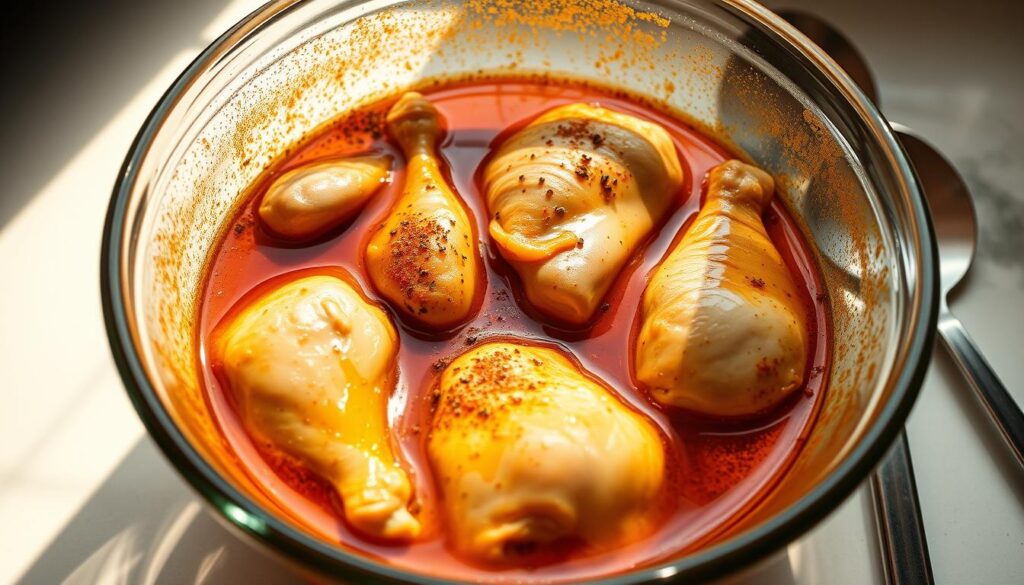
Making a great broasted chicken marinade is key to turning regular chicken into a tasty treat. Your marinade does more than add flavor. It also tenderizes the meat and keeps it moist, making every bite juicy and tasty.
The perfect broasted chicken marinade has a few important ingredients. These ingredients work together to improve taste and texture:
- Acidic parts like buttermilk or yogurt to make the meat tender
- Herbs and spices for more flavor
- Oil to spread out the seasonings
- Salt to boost the taste
Here are some tips for making your broasted chicken marinade:
- Use fresh, top-quality ingredients
- Marinate the chicken for 4-12 hours for the best flavor
- Store marinades in sealed containers in the fridge
- Pat the chicken dry before cooking for a crispy coating
Your marinade’s success comes from balanced flavors and the right technique. Try different herbs and spices to make a marinade that’s just right for you.
“A great marinade turns good chicken into an amazing meal.”
The Ultimate Broasted Chicken Recipe
Making the perfect homemade broasted chicken recipe needs precision and care. Your journey to crispy, juicy chicken starts with mastering the cooking techniques of broasting. It’s a culinary art.
Preparing your broasted chicken requires attention to detail and the right approach. The secret is in mixing pressure cooking with deep frying. This combo creates a unique texture and flavor.
Preparation Steps
- Select fresh chicken pieces with consistent size
- Pat chicken completely dry with paper towels
- Prepare a seasoned flour mixture with your favorite spices
- Coat chicken thoroughly in the seasoned flour
- Let coated chicken rest for 10-15 minutes before cooking
Cooking Instructions
Your broasted chicken recipe needs precise temperature control. Heat peanut or vegetable oil to 350-360°F. Use a specialized broaster or heavy-duty pressure fryer.
Temperature and Timing Guidelines
| Chicken Cut | Cooking Time | Internal Temperature |
|---|---|---|
| Chicken Breasts | 12-15 minutes | 165°F |
| Chicken Thighs | 15-18 minutes | 175°F |
| Chicken Wings | 10-12 minutes | 165°F |
Always use a meat thermometer. It ensures your homemade broasted chicken is safe and juicy. It also keeps the flavor at its best.
Achieving the Perfect Crispy Coating
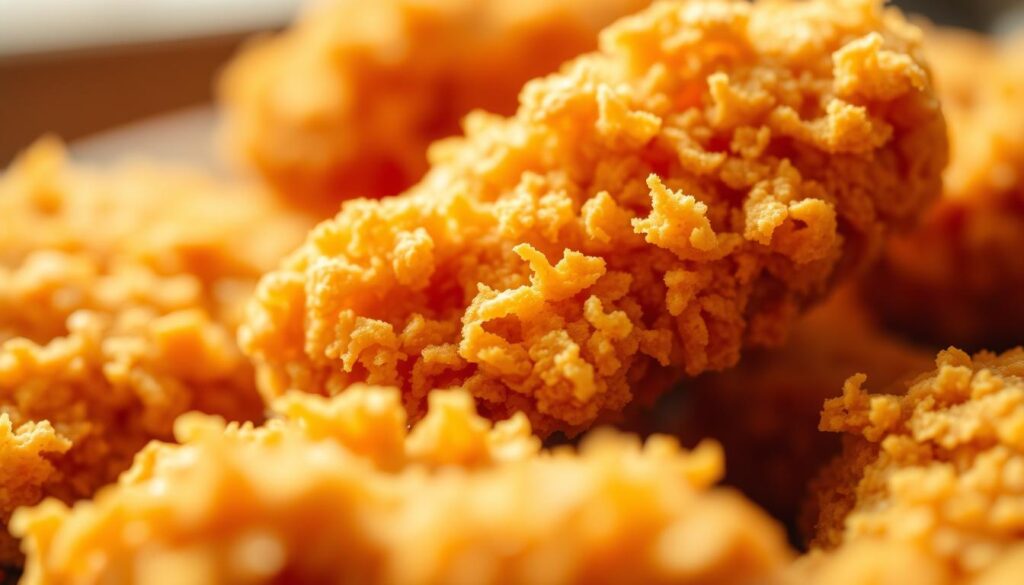
To make the ultimate crispy broasted chicken, you need to know a few secrets. These secrets turn regular chicken into a golden, crunchy treat. It’s all about the right ingredients and techniques for that perfect crispy coating.
Start by picking the right dry ingredients. A mix of flour, cornstarch, and seasonings is key. This mix will make your chicken crispy and delicious, with everyone wanting more.
- Use a combination of all-purpose flour and cornstarch
- Add cornstarch to increase crispiness
- Season your coating mix generously
- Ensure an even, thin layer of coating
The dredging process is vital for that crispy outside. Dry your chicken before coating to help the flour stick. Double-dredging adds an extra crispy layer, keeping the chicken juicy and crunchy.
| Coating Ingredient | Purpose | Recommended Quantity |
|---|---|---|
| All-purpose flour | Base coating | 1 cup |
| Cornstarch | Increase crispiness | 2 tablespoons |
| Seasonings | Add flavor | 2-3 teaspoons |
Pro tip: Let your coated chicken rest for 10-15 minutes before broasting. This helps the coating set and ensures maximum crispiness.
“The perfect crispy broasted chicken is all about technique and patience.” – Professional Chef
Temperature control is also key. Keep the oil between 350-375°F. This ensures your chicken gets a golden-brown outside without being greasy or soggy.
Tips for Maintaining Moisture While Broasting
To get a tender broasted chicken, it’s not just about cooking. It’s about keeping moisture in during the broasting. This way, your chicken will be crispy outside and juicy inside.
Keeping moisture in is key for the perfect tender broasted chicken. Professional chefs use special techniques to improve your cooking.
Mastering Temperature Control
Temperature is very important for keeping your chicken moist. Here are some important tips:
- Preheat your broaster to the exact recommended temperature
- Use a meat thermometer to check internal chicken temperature
- Avoid overcooking by monitoring cooking time closely
Proven Moisture Retention Methods
To keep your chicken moist, try these methods:
- Brining: Soak chicken in saltwater solution before cooking
- Use marinades with oil and acid components
- Rest the chicken immediately after broasting
“The difference between dry and juicy chicken is all in the technique.” – Professional Chef
Using these methods will make your broasted chicken amazing. You’ll get a delicious meal every time.
Serving Suggestions and Accompaniments
Your broasted chicken recipe needs the right presentation and sides to make it special. Choosing the best sides can turn a simple meal into a memorable event. It will surely impress your family and friends.
Classic side dishes go well with broasted chicken. Here are some tasty options:
- Creamy mashed potatoes
- Crisp coleslaw
- Buttery corn on the cob
- Honey-glazed carrots
- Fluffy buttermilk biscuits
Sauces can make your broasted chicken even better. Try these sauces for extra flavor:
- Garlic aioli
- Spicy honey mustard
- Ranch dressing
- Tangy barbecue sauce
To keep your chicken crispy, use a wire rack instead of a plate. This stops steam from making the coating soggy. Serve it right away for the best taste and texture.
“The secret to a great meal is not just in the cooking, but in the presentation and accompaniments.” – Professional Chef
For your broasted chicken, put it on a big platter with fresh herbs like parsley or rosemary. It looks great and adds a nice aroma to your dish.
Troubleshooting Common Broasting Issues
Mastering the broaster cooking technique takes practice and knowing common problems. Even skilled home cooks face issues that can affect the quality of their broasted chicken.
Several common problems can happen when using the broaster cooking technique. These issues can affect your chicken’s texture and taste:
- Uneven cooking temperatures
- Inconsistent coating thickness
- Moisture retention challenges
- Oil temperature fluctuations
Knowing these common problems helps you make perfect broasted chicken every time. Here are some solutions for typical broasting challenges:
| Issue | Potential Cause | Solution |
|---|---|---|
| Soggy Coating | Low oil temperature | Maintain consistent 350-375°F oil temperature |
| Undercooked Interior | Incorrect pressure settings | Use proper pressure and timing for chicken cut |
| Burnt Exterior | Excessive oil heat | Monitor and adjust temperature carefully |
Pro tip: Invest in a reliable meat thermometer to ensure your broasted chicken reaches the safe internal temperature of 165°F without compromising its crispy exterior.
“Precision is key in broaster cooking technique – small adjustments make big differences.” – Professional Chef
By understanding these troubleshooting strategies, you’ll be able to make delicious broasted chicken. It will impress your family and friends.
Storage and Reheating Guidelines
Keeping your homemade broasted chicken tasty and crispy is key. You need to store and reheat it right. This way, you can enjoy your meal safely and keep its quality.
Here’s how to store leftover homemade broasted chicken:
- Cool the chicken completely before storing
- Use airtight containers to prevent moisture buildup
- Refrigerate within two hours of cooking
- Store in the refrigerator for up to 3-4 days
Pro tip: Separate dark and white meat pieces when storing to maintain individual flavors and textures.
Reheating your broasted chicken needs care to keep it crispy and juicy. The best ways are:
- Oven method: Preheat to 350°F and heat for 10-15 minutes
- Air fryer technique: Cook at 375°F for 3-4 minutes
- Avoid microwave reheating to prevent soggy coating
“The key to great reheated broasted chicken is maintaining its original crispiness and preventing dryness.” – Professional Chef
Always check the chicken’s internal temperature reaches 165°F when reheating. This ensures food safety. Also, throw away chicken that’s been at room temperature for more than two hours to avoid foodborne illnesses.
Conclusion
Broasting chicken is more than just cooking. It’s an art that turns simple chicken into a gourmet delight. Mastering broasted chicken seasoning can take your cooking from basic to extraordinary. This technique combines pressure cooking and frying for crispy, juicy chicken that beats traditional frying.
Creating amazing broasted chicken starts with trying different seasoning blends. Each mix brings its own flavor, making your dish unique. You can go for classic herbs, spicy Cajun, or subtle regional spices. Your creativity is what makes your chicken truly special.
As you get better at broasting, you’ll learn to control temperature, keep moisture, and balance flavors. Remember, making perfect broasted chicken takes time and effort. Start with a basic recipe and then improve your skills.
Your broasting adventure is just starting. Enjoy the journey, share your dishes with loved ones, and keep trying new flavors. With hard work and love, you’ll become a pro at making restaurant-quality broasted chicken in your kitchen.
FAQ
What is broasted chicken, and how is it different from regular fried chicken?
Do I need special equipment to make broasted chicken at home?
What type of chicken works best for broasting?
How long should I marinate the chicken before broasting?
What’s the secret to getting a crispy coating on broasted chicken?
Is broasted chicken healthier than traditional fried chicken?
How can I store leftover broasted chicken?
Can I use boneless chicken for broasting?
What are the best seasonings for broasted chicken?
How do I prevent my broasted chicken from becoming greasy?
There are no reviews yet. Be the first one to write one.